

Introduction
Designer brands play a central role in shaping global fashion direction. Their influence extends beyond clothing into culture, economics, retail systems, media, and consumer identity. When a leading fashion house presents a collection, the impact spreads across continents through fashion weeks, digital platforms, retail networks, and manufacturing chains.
This article examines how designer brands influence global style, how trends travel from runway to everyday wear, and why luxury houses remain key decision-makers in the fashion industry.
The Power Structure of Designer Brands
Designer brands operate within a structured system that includes:
- Creative directors
- Design teams
- Textile developers
- Marketing departments
- Retail partnerships
- Licensing divisions
Each department contributes to brand direction. Creative directors define design language. Marketing teams control brand messaging. Retail buyers determine distribution scale.
The influence of designer brands begins at concept level and extends through global supply chains.
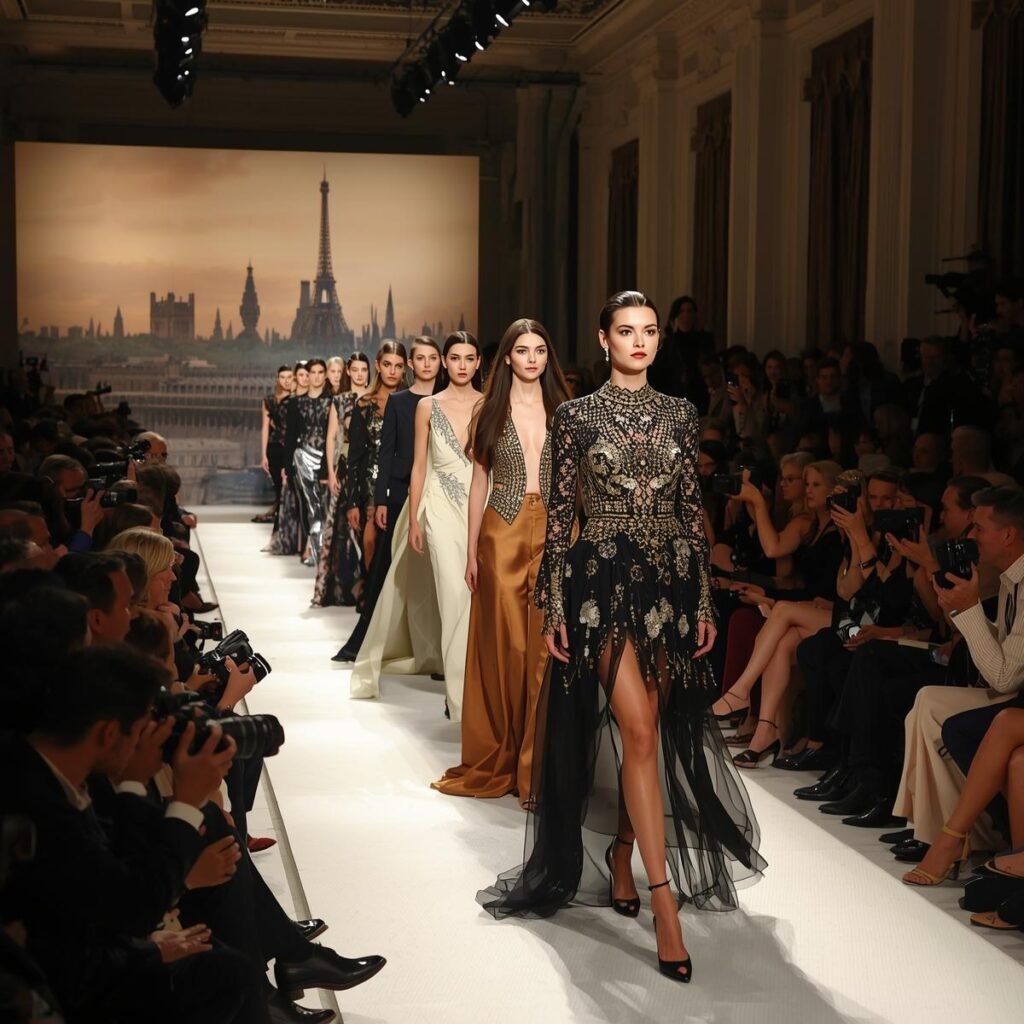
Fashion Weeks as Global Platforms
Fashion weeks in cities such as Paris, Milan, London, and New York act as global broadcast events. Designer brands use these events to present new collections.
Buyers, editors, stylists, and media representatives attend to observe:
- Silhouettes
- Fabric choices
- Color palettes
- Accessories
- Styling concepts
Once presentations conclude, global media distributes runway coverage within hours. Images, videos, and commentary shape early consumer perception.
Media Amplification and Digital Platforms
Digital platforms accelerate the spread of designer influence. Social media channels, fashion websites, and streaming platforms allow collections to reach audiences instantly.
Influence now flows through:
- Live runway streams
- Influencer partnerships
- Digital lookbooks
- Brand campaigns
- Celebrity placements
When a public figure wears a designer garment at a global event, search interest and demand increase. Retailers adjust inventory accordingly.
Celebrity and Cultural Alignment
Designer brands often align with artists, actors, musicians, and athletes. This alignment connects fashion with culture.
Examples of influence channels include:
- Red carpet events
- Film premieres
- Music tours
- Sports sponsorships
When a designer brand collaborates with a cultural figure, the collection reaches audiences beyond traditional fashion consumers.
Trickle-Down Effect in Fashion
The trickle-down model describes how designer trends move from luxury to mass markets.
The process follows several stages:
- Luxury runway presentation
- High-end retail availability
- Media exposure
- Adaptation by mid-tier brands
- Production by mass retailers
Designer brands introduce silhouettes and styling directions. Other segments reinterpret them at lower price points.
This process explains how global style evolves from a limited number of creative studios.
Influence on Manufacturing and Supply Chains
Designer brands influence textile production and manufacturing standards.
When a luxury house adopts a specific fabric, suppliers increase production capacity. Textile mills respond to demand for:
- Specific weaves
- Color treatments
- Sustainable sourcing
- Technical finishes
Manufacturers worldwide adjust operations to align with designer requirements.
Branding and Identity Formation
Designer brands do not only sell garments. They sell identity.
Consumers associate brands with:
- Status
- Craftsmanship
- Cultural awareness
- Economic position
- Lifestyle
This identity projection influences how individuals construct personal style. Global consumers often adopt designer-inspired silhouettes even if they do not purchase luxury items directly.
Designer Collaborations and Cross-Industry Impact
Collaborations expand influence beyond traditional fashion.
Designer brands collaborate with:
- Sportswear companies
- Technology firms
- Automotive brands
- Art institutions
- Hospitality groups
These partnerships extend style influence into footwear, electronics, interior design, and travel experiences.
Regional Influence and Localization
Designer brands influence global style while adapting to regional markets.
For example:
- Middle Eastern markets may favor modest silhouettes
- Asian markets may influence sizing adjustments
- European markets may emphasize tailoring
- North American markets may respond to streetwear integration
Global brands analyze local purchasing behavior and adjust distribution without altering core identity.
Sustainability and Ethical Influence
Designer brands increasingly influence sustainability standards.
Luxury houses invest in:
- Ethical sourcing
- Supply chain transparency
- Waste reduction systems
- Repair services
When leading brands adopt sustainability measures, competitors follow to maintain reputation.
This establishes industry-wide change.
Archive Revival and Cultural Preservation
Designer brands maintain archives that document decades of design history. Archive revival connects historical craftsmanship with modern styling.
When brands reintroduce archival pieces, they:
- Strengthen heritage identity
- Educate new audiences
- Reinforce brand continuity
This approach influences global style by reintroducing silhouettes and techniques from previous eras.
Luxury Pricing and Perceived Value
Designer pricing influences global fashion economics.
High price positioning creates:
- Scarcity perception
- Exclusivity
- Investment value
- Secondary resale markets
Resale platforms track designer items, further extending brand visibility.
When resale value remains stable, consumer trust increases.
Retail Strategy and Global Distribution
Designer brands operate flagship stores in major cities. These locations serve as brand statements.
Retail influence occurs through:
- Visual merchandising
- Store architecture
- Window displays
- Limited inventory control
Tourists and local shoppers experience brand identity through physical spaces.
E-commerce expands reach beyond urban centers, enabling global access.
Digital Fashion and Technology Integration
Technology enhances brand influence.
Designer brands use:
- Virtual showrooms
- Augmented reality try-ons
- Digital garments
- AI-driven design tools
These systems increase accessibility while maintaining exclusivity.
Digital representation now plays a role in how global style spreads.
Education and Design Schools
Designer brands influence fashion education.
Design schools study:
- Construction techniques
- Brand storytelling
- Textile innovation
- Collection planning
Graduates carry these standards into new companies, spreading influence across the industry.
Influence Through Accessories
Accessories often carry the strongest global influence.
Handbags, shoes, belts, and jewelry act as visible brand markers. Because accessories require lower investment than full garments, more consumers engage with designer brands through these categories.
This expands brand reach while maintaining luxury positioning.
Economic Impact on Global Markets
Designer brands contribute to:
- Employment
- Tourism
- Textile production
- Retail expansion
- Export revenue
Major fashion capitals depend on designer activity for economic growth.
Global style influence therefore intersects with national economies.
Social Media Metrics and Data Analysis
Brands track digital metrics to evaluate influence.
Data includes:
- Engagement rates
- Search volume
- Conversion rates
- Geographic demand
This data informs future collections and distribution decisions.
Influence is now measurable through digital analytics.
Consumer Behavior and Designer Impact
Modern consumers seek:
- Quality
- Long-term value
- Brand heritage
- Limited availability
Designer brands respond with controlled production volumes and storytelling campaigns.
Consumer perception of exclusivity strengthens brand authority.
Challenges to Influence
Designer brands face challenges:
- Fast fashion speed
- Counterfeit production
- Market saturation
- Economic shifts
To maintain influence, brands focus on craftsmanship and controlled expansion.
The Future of Global Style Influence
Designer brands will continue influencing global style through:
- Sustainable innovation
- Digital integration
- Cultural partnerships
- Heritage preservation
- Controlled distribution
The brands that balance tradition and adaptation will maintain leadership.
Conclusion
Designer brands influence global style through runway presentations, media amplification, cultural alignment, supply chain control, and digital expansion. Their design decisions shape manufacturing, retail, education, and consumer identity worldwide.
From tailoring revival to sustainability initiatives, the direction set by leading fashion houses defines how global markets respond. The connection between designer studios and everyday wardrobes demonstrates the structured system behind fashion influence.
Luxury fashion remains a central force in global style formation, and designer brands continue to guide that evolution through strategic creativity and controlled distribution.