
Introduction
Luxury fashion trends do not move directly from sketchbook to store shelf. The journey from runway presentation to retail availability follows a structured system that involves creative development, production planning, wholesale agreements, marketing strategy, and consumer response.
Understanding this process explains how runway concepts transform into wearable luxury pieces found in flagship boutiques and online platforms.
This article explores each stage of the runway-to-retail cycle and how designer trends become commercial luxury products.
Concept Development and Research
Every luxury collection begins with research. Creative directors and design teams analyze:
- Historical archives
- Cultural movements
- Art and architecture
- Economic climate
- Consumer purchasing behavior
- Textile innovations
Design concepts are refined into mood boards and garment sketches. Fabric suppliers are consulted early in the process to secure materials.
This stage determines silhouette direction, construction complexity, and production feasibility.
Fabric Sourcing and Material Selection
Material selection plays a central role in luxury production. Fabric mills develop textiles that meet brand standards for durability and structure.
Luxury houses often work with:
- Silk producers
- Wool mills
- Leather tanneries
- Technical textile manufacturers
Once materials are approved, sample garments are created to test fit and construction.
This stage affects both retail pricing and delivery timelines.
Sample Creation and Atelier Production
Sample garments are constructed in-house or through specialized ateliers. Tailors and pattern makers refine:
- Garment structure
- Stitching precision
- Proportions
- Fabric behavior
Multiple fittings may occur before final approval. Adjustments ensure runway presentation reflects design intent.
Only selected pieces from the collection will later enter full production.
Runway Presentation
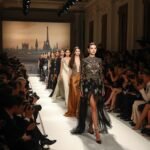
Fashion week presentations act as the first public exposure. Collections are shown to buyers, editors, stylists, and media representatives.
The runway serves several functions:
- Brand positioning
- Trend direction
- Market testing
- Media engagement
Not every runway look is designed for commercial production. Some garments function as concept statements.
After the show, buyers evaluate which pieces align with their market demand.
Buyer Selection and Wholesale Orders
Retail buyers attend runway presentations or private showroom appointments. They place wholesale orders based on:
- Regional demand
- Target customer profile
- Price range
- Inventory strategy
Buyers rarely purchase entire collections. They select pieces likely to perform in their retail environment.
This step determines which runway trends transition into luxury retail.
Production Planning and Manufacturing
Once wholesale orders are confirmed, brands finalize production quantities. Manufacturing partners begin constructing garments at scale.
Luxury production differs from mass production in several ways:
- Lower volume
- Higher material cost
- Detailed construction
- Strict quality control
Production timelines may extend several months due to craftsmanship standards.
Quality Control and Finishing
Before garments reach retail stores, quality control teams inspect:
- Stitch alignment
- Fabric consistency
- Hardware attachment
- Label placement
Luxury brands protect reputation through strict inspection procedures.
Final pieces are packaged according to brand presentation standards.
Marketing Campaign Development
As production progresses, marketing teams develop campaigns aligned with runway themes.
Campaign elements may include:
- Editorial photography
- Digital advertisements
- Influencer partnerships
- Brand storytelling videos
- Store window installations
Campaigns reinforce the connection between runway identity and retail availability.
Marketing timing often aligns with product arrival in stores.
Retail Merchandising Strategy
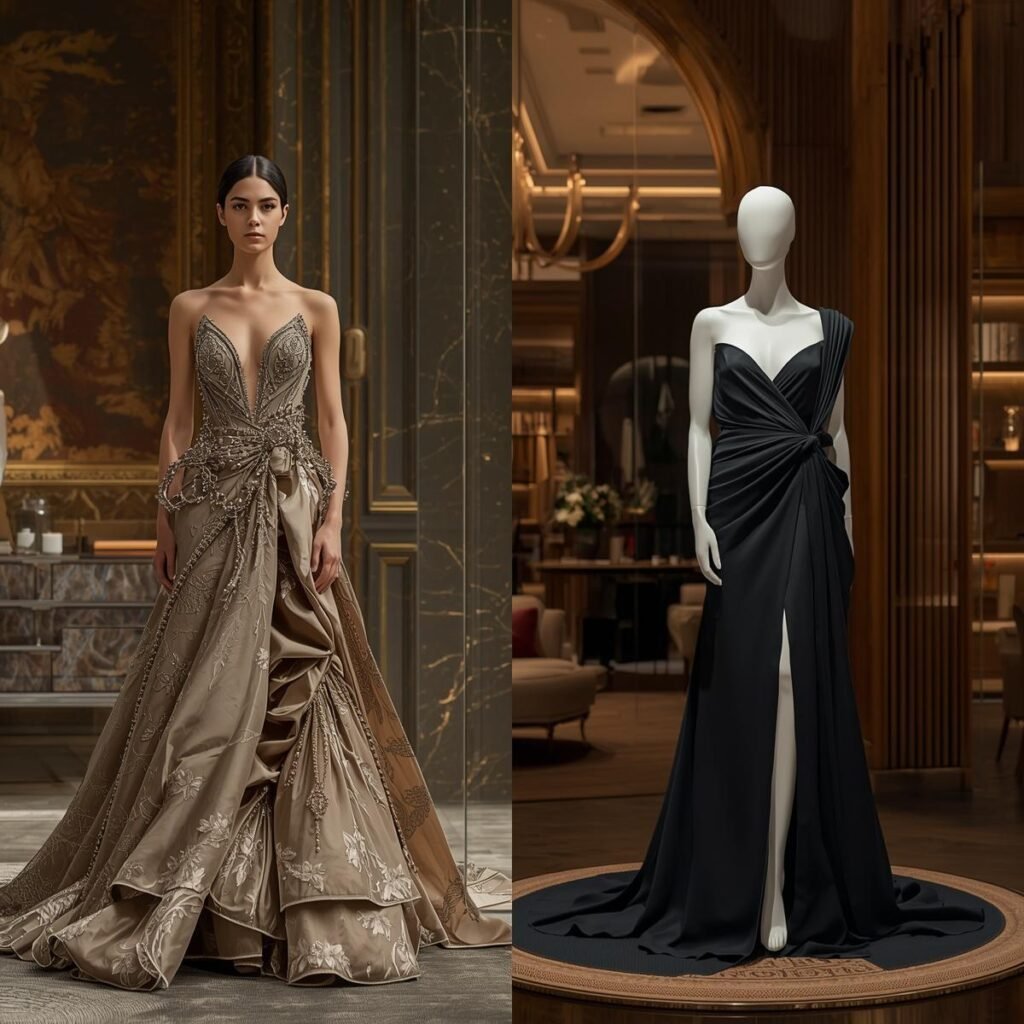
Luxury retailers design store layouts that reflect runway themes.
Visual merchandising includes:
- Mannequin styling
- Window displays
- Accessory pairing
- Lighting focus
Retail teams translate runway styling into wearable combinations suitable for everyday customers.
This step bridges creative concept and practical wardrobe integration.
Pricing Strategy and Positioning
Luxury pricing considers:
- Material cost
- Production time
- Brand equity
- Market competition
- Distribution channel
Runway pieces often carry higher price points due to complexity and limited availability.
Brands may release simplified versions of runway designs to reach broader audiences while preserving brand hierarchy.
Limited Production and Exclusivity
Luxury fashion relies on controlled production volume. Limited availability increases demand and supports resale markets.
Some runway pieces are produced in restricted quantities or exclusive color variations for specific regions.
This strategy maintains brand positioning.
Adaptation for Wearability
Runway garments sometimes undergo modification before retail release.
Adjustments may include:
- Shorter hemlines
- Modified sleeve length
- Simplified structure
- Fabric substitution
These changes improve comfort and wearability without altering design direction.
E-Commerce Integration
Luxury brands now launch collections simultaneously in physical stores and online platforms.
E-commerce strategies include:
- High-resolution product imagery
- Detailed garment descriptions
- Size guides
- Virtual try-on tools
Digital platforms expand global reach while maintaining brand control.
Influencer and Celebrity Endorsement
After retail launch, brands collaborate with influencers and public figures to showcase pieces in real settings.
This stage increases visibility and encourages consumer adoption.
Celebrity appearances often accelerate demand for specific runway items.
Consumer Adoption and Styling
Once garments reach customers, they become part of everyday style interpretation.
Consumers may:
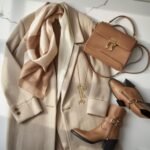
- Pair runway pieces with basics
- Combine luxury with streetwear
- Invest in accessories rather than full outfits
This stage completes the transition from runway statement to wardrobe integration.
Data Feedback and Performance Tracking
Luxury brands track sales data to evaluate:
- Best-performing silhouettes
- Regional preferences
- Price sensitivity
- Inventory turnover
This data informs future collections.
Runway success is ultimately measured by retail performance.
The Role of Archive in Retail
If a runway trend performs well, brands may revisit it in future seasons.
Archive revival strengthens brand continuity and supports repeat sales.
This cycle reinforces long-term brand identity.
Sustainability in Runway-to-Retail Process
Luxury brands increasingly evaluate environmental impact throughout production.
Efforts include:
- Responsible sourcing
- Reduced sample waste
- Repair programs
- Recycling initiatives
Sustainability considerations now influence both design and retail decisions.
Timeline from Runway to Store
The average timeline follows this sequence:
- Design development
- Fabric sourcing
- Sample production
- Runway presentation
- Wholesale order placement
- Manufacturing
- Marketing launch
- Retail availability
This process may take six to nine months depending on complexity.
Why Some Runway Trends Do Not Reach Retail
Not every runway design becomes commercially available.
Reasons include:
- High production cost
- Limited buyer interest
- Construction complexity
- Experimental design intent
Runway shows often balance artistic direction with commercial strategy.
The Impact on Global Markets
When a runway trend succeeds in retail, it influences:
- Mid-tier brands
- Fast fashion retailers
- Textile demand
- Styling trends
Luxury collections therefore act as primary trend sources across price segments.
Conclusion
The journey from runway to retail involves research, craftsmanship, wholesale strategy, marketing coordination, and consumer response. Each stage transforms conceptual designs into wearable luxury pieces available in boutiques and online platforms.
Luxury fashion operates through a controlled system that protects brand identity while responding to market demand. The runway serves as the starting point, but retail performance determines long-term relevance.
Understanding this process explains how trends evolve from creative presentation to global wardrobe influence.