How to choose men’s luxury wear for formal and casual occasions
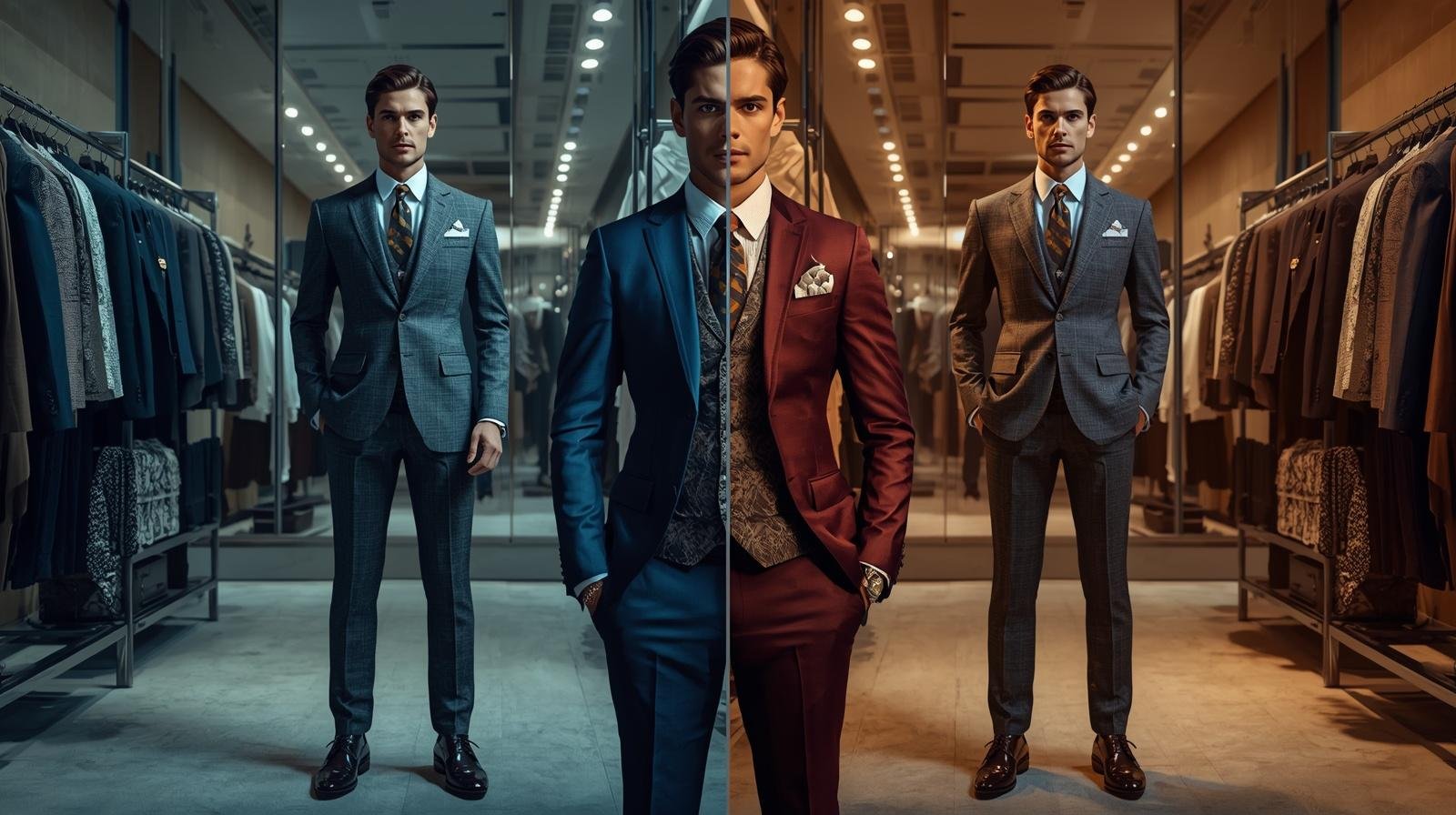
Choosing men’s luxury wear depends on occasion, purpose, and usage. Clothing selection is not random. It follows a system based on environment, activity, and personal needs. Formal and casual occasions require different clothing decisions.
Luxury wear is selected based on function, structure, and comfort. Men choose clothing that fits social expectations and personal preference.
This article explains how to choose men’s luxury wear for formal and casual occasions. It covers decision-making, clothing types, fabric selection, and wardrobe planning.
Understanding clothing based on occasion
Clothing choice depends on situation. Each occasion has different expectations.
Formal occasions require structured clothing. Casual occasions allow flexible clothing.
Understanding this difference helps in selecting appropriate wear.
Men adjust clothing based on event type and environment.
Formal occasions and clothing requirements
Formal occasions include business meetings, ceremonies, and official events.
These situations require structured clothing systems.
Suit, shirt, and formal shoes are commonly used.
Clothing must maintain clean and organized appearance.
Choosing suit for formal events
Suit selection depends on fit, fabric, and color.
Suit includes jacket and trousers made from same material.
Proper fit supports structured appearance.
Suit is used in professional environments and events.
Shirt selection for formal use
Shirts are important in formal clothing.
They are worn under suits or alone in business settings.
Fabric and collar type affect selection.
Light colors are commonly used in formal environments.
Tie and formal accessories
Tie is used in formal clothing systems.
It adds structure to outfit.
Accessories must match clothing tone.
Simple design is preferred in formal settings.
Formal footwear selection
Shoes complete formal clothing.
Leather shoes are commonly used.
Shoes must match suit color.
Comfort is important for long use.
Casual occasions and clothing choice
Casual occasions include social meetings, travel, and daily activities.
These situations allow flexible clothing choices.
Comfort becomes a priority.
Clothing is selected based on movement and use.
Casual shirts and tops
Casual shirts are used in daily life.
They include simple designs and flexible fabrics.
T-shirts are also part of casual clothing.
These items support comfort and movement.
Jeans and casual trousers selection
Jeans are commonly used in casual wear.
They support daily movement and flexibility.
Casual trousers are also used in relaxed environments.
Fabric selection affects comfort.
Jackets in casual clothing
Jackets are used in both formal and casual systems.
Casual jackets include light and flexible designs.
They support seasonal use.
Jackets complete outfit structure.
Fabric selection for occasions
Fabric affects clothing use and comfort.
Formal wear uses structured materials.
Casual wear uses flexible materials.
Fabric choice depends on activity and environment.
Color selection in clothing
Color plays role in clothing selection.
Formal wear uses neutral colors.
Casual wear allows wider color range.
Color choice affects appearance balance.
Fit and clothing structure
Fit is important in both formal and casual wear.
Tailored clothing supports structure.
Loose clothing supports comfort.
Fit depends on occasion type.
Role of accessories in outfit selection
Accessories complete clothing systems.
They include belts, watches, and bags.
Accessories must match clothing style.
Simple accessories are used in formal wear.
Footwear in casual and formal wear
Footwear depends on occasion.
Formal shoes are structured and simple.
Casual shoes are flexible and comfortable.
Shoes must match outfit type.
Influence of personal preference
Personal preference affects clothing choice.
Some men prefer structured clothing.
Others prefer flexible clothing.
Preference affects wardrobe building.
Brand influence in clothing selection
Brands affect purchasing decisions.
Consumers trust known brands.
Brands offer different clothing categories.
Brand selection supports decision making.
Online shopping for clothing selection
Online platforms provide clothing access.
Consumers compare products before purchase.
Reviews help in decision process.
Online systems increase choice availability.
Budget and clothing decision
Budget affects clothing selection.
Luxury wear is long-term investment.
Consumers compare cost and usage.
Budget planning supports wardrobe structure.
Seasonal influence on clothing
Season affects clothing choice.
Summer requires light fabric.
Winter requires heavy clothing.
Seasonal planning supports comfort.
Clothing maintenance
Maintenance affects clothing lifespan.
Proper cleaning is required.
Different fabrics require different care.
Maintenance supports long-term use.
Event preparation and clothing planning
Event preparation includes clothing selection.
Men choose outfits based on event type.
Planning avoids last-minute decisions.
Proper planning improves presentation.
Conclusion
Choosing men’s luxury wear depends on occasion and use.
Formal and casual clothing serve different purposes.
Fabric, fit, and accessories influence selection.
Proper planning supports wardrobe balance.
Men select clothing based on function and environment.