

Introduction
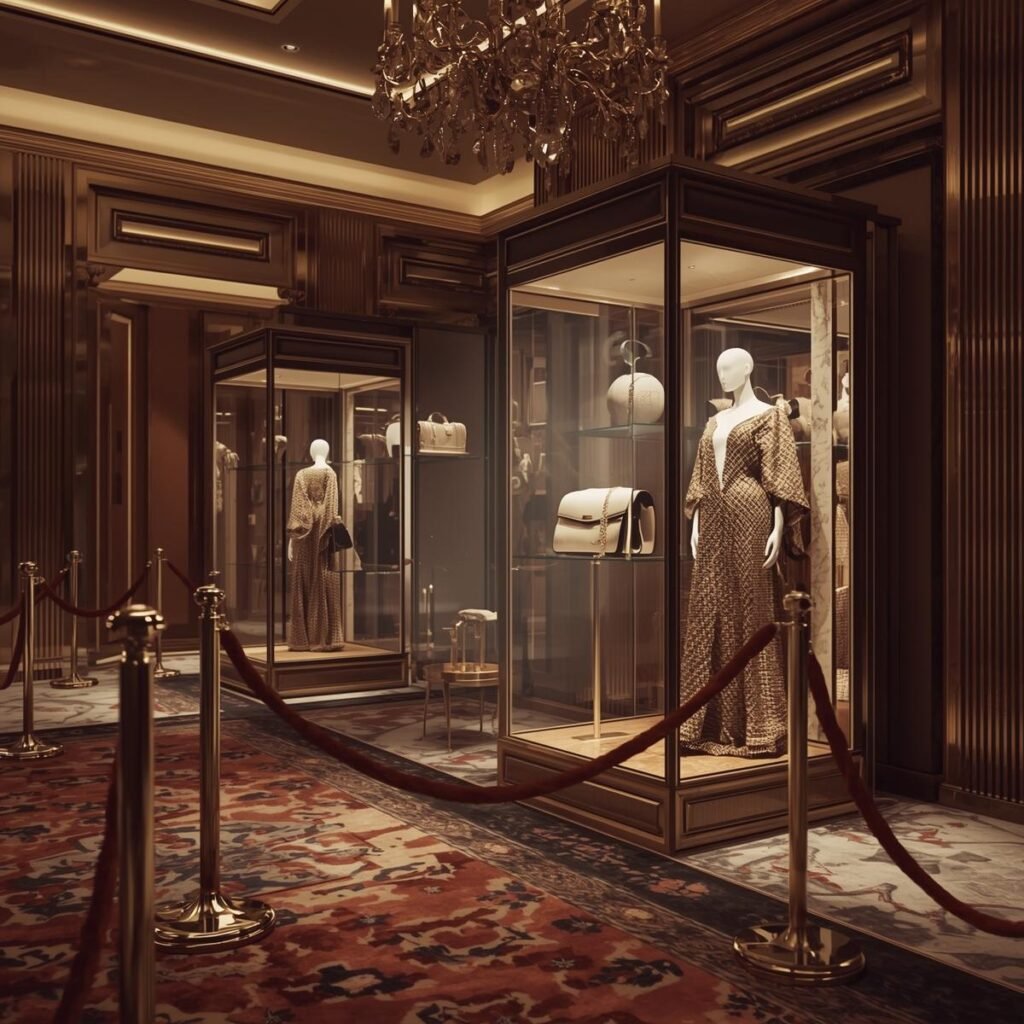
Limited edition collections play a central role in the luxury fashion industry. They create scarcity, reinforce brand positioning, and drive consumer demand through controlled supply. Unlike standard seasonal collections, limited editions are produced in restricted quantities and often tied to specific themes, collaborations, or milestones.
Understanding limited edition collections helps consumers evaluate investment potential, resale value, and long-term significance within the luxury market.
What Defines a Limited Edition Collection
A limited edition collection is defined by restricted production numbers. Brands may limit items by:
- Total quantity worldwide
- Region-specific distribution
- Numbered production pieces
- Time-bound availability
- Special collaboration releases
Limited editions differ from regular seasonal releases because availability is intentionally controlled from the start.
Scarcity increases demand and influences purchasing behavior.
Why Luxury Brands Release Limited Editions
Luxury houses use limited edition strategies for several reasons.
1. Reinforcing Exclusivity
Luxury depends on controlled access. Limiting production preserves brand positioning and reduces oversupply.
2. Celebrating Milestones
Anniversaries, designer transitions, or archive revivals often lead to special collections.
3. Collaborations
Partnerships with artists, athletes, or other brands create cross-industry attention. These collaborations typically operate under limited production terms.
4. Market Testing
Brands sometimes release limited pieces to measure consumer interest before expanding production.
5. Cultural Relevance
Limited releases tied to cultural events or global moments generate attention beyond traditional fashion audiences.
The Psychology of Scarcity
Scarcity influences consumer behavior through perceived rarity.
When availability is restricted:
- Demand increases
- Purchase urgency rises
- Social value strengthens
- Resale interest grows
Limited access contributes to higher willingness to pay. Consumers often view limited edition pieces as status markers.
Production Structure of Limited Editions
Limited edition collections follow structured production planning.
Steps include:
- Design concept approval
- Quantity limitation agreement
- Material allocation
- Manufacturing scheduling
- Controlled distribution
Brands may produce numbered items to confirm scarcity.
Quality standards remain consistent with core brand production.
Types of Limited Edition Luxury Products
Limited editions appear across categories:
- Handbags
- Footwear
- Tailoring
- Jewelry
- Watches
- Streetwear capsules
Accessories often perform strongly in limited edition format because they attract broader buyer segments.
Archive-Based Limited Editions
Luxury houses often revisit historic designs from archives.
Archive-based limited releases may include:
- Reissued handbag shapes
- Signature prints
- Historic tailoring patterns
- Vintage color palettes
These releases connect brand history with modern consumers.
Archive pieces often carry long-term resale interest.
Collaboration-Based Limited Editions
Collaborations expand audience reach.
Examples include partnerships between:
- Luxury fashion and sportswear brands
- Designers and visual artists
- Fashion houses and technology firms
Collaboration pieces often combine brand codes from both parties, creating distinct market appeal.
These collections typically sell out quickly due to cross-audience demand.
Economic Value and Resale Markets
Limited edition collections often maintain resale value due to:
- Restricted production
- Brand authority
- Cultural impact
- Condition preservation
Resale platforms track price fluctuations for limited items. Some pieces increase in value over time if demand exceeds supply.
Condition plays a major role in resale pricing. Preserved packaging and documentation strengthen resale potential.
Factors That Influence Long-Term Value
Not all limited editions gain value. Several factors influence performance:
1. Brand Strength
Established luxury houses with strong heritage often deliver higher resale stability.
2. Cultural Relevance
Collections tied to major cultural events may attract long-term attention.
3. Production Quantity
Lower production numbers typically increase scarcity.
4. Condition
Well-maintained items retain higher resale prices.
5. Timeless Design
Pieces aligned with long-term style codes may perform better than trend-driven designs.
Limited Editions vs Seasonal Trends
Seasonal trends focus on fashion direction for a specific period. Limited editions focus on exclusivity and scarcity.
Seasonal collections may be produced at larger scale. Limited editions operate under controlled quantity frameworks.
Consumers should distinguish between short-term trend interest and structured scarcity strategy.
Regional Limited Releases
Some brands release limited items only in specific cities or markets.
Regional limitation creates:
- Travel-driven demand
- Secondary resale interest
- Location-based prestige
City-exclusive products often carry additional cultural value.
Digital Limited Editions
Luxury brands now experiment with digital limited editions, including:
- Virtual garments
- Blockchain-authenticated products
- Limited NFT-linked fashion pieces
Digital scarcity operates similarly to physical scarcity by restricting ownership quantity.
Investment Strategy for Consumers
Consumers interested in limited editions should follow structured strategy:
- Monitor official release announcements
- Register for early access when available
- Purchase through verified channels
- Retain receipts and authenticity documentation
- Preserve original packaging
Impulse purchases based solely on hype may not guarantee long-term value.
Research remains critical.
Risks Associated with Limited Editions
Limited editions carry potential risks:
- Overproduction despite marketing claims
- Rapid resale price decline
- Counterfeit replication
- Market oversaturation
Consumers should evaluate authenticity carefully and avoid speculative purchasing without research.
Counterfeit Risk and Limited Collections
Counterfeit producers often target high-demand limited items.
To protect investment:
- Buy from authorized sellers
- Verify serial numbers
- Request authentication services for resale purchases
Limited editions are attractive to counterfeit markets due to scarcity and high price.
Marketing Strategy Behind Limited Releases
Brands use structured marketing campaigns to build anticipation.
Marketing strategies may include:
- Teaser campaigns
- Influencer previews
- Controlled press coverage
- Countdown launches
Controlled marketing enhances perception of rarity.
Environmental Considerations
Limited production may reduce unsold inventory, supporting sustainability efforts.
However, demand-driven production must remain balanced to prevent waste.
Luxury brands increasingly evaluate environmental impact during limited releases.
Corporate Strategy and Revenue Impact
Limited edition releases can generate:
- Immediate revenue spikes
- Increased website traffic
- Global media coverage
- Strengthened brand visibility
However, overuse of limited strategy may reduce exclusivity over time.
Balance is essential.
Case Study Structure Without Brand Names
Historically, limited handbags released in small quantities have doubled in resale value when:
- Production numbers were documented
- Brand demand remained strong
- Cultural visibility increased
Conversely, some limited footwear collections declined in value when oversupply entered resale markets.
The lesson is structured evaluation before purchase.
How to Store Limited Edition Items
To maintain value:
- Store in dust bags
- Avoid moisture exposure
- Keep original packaging
- Avoid excessive handling
Condition preservation directly influences resale pricing.
Long-Term Role of Limited Editions in Luxury Fashion
Limited editions reinforce core principles of luxury:
- Scarcity
- Craftsmanship
- Heritage
- Controlled access
They create engagement between brand and consumer while maintaining structured exclusivity.
Conclusion
Limited edition collections create value through restricted production, controlled distribution, and cultural relevance. Their appeal lies in scarcity, brand authority, and resale potential.
Consumers should approach limited editions with research, authentication awareness, and long-term perspective. When selected carefully and preserved properly, limited luxury pieces can hold financial and cultural value beyond seasonal trends.