

Introduction
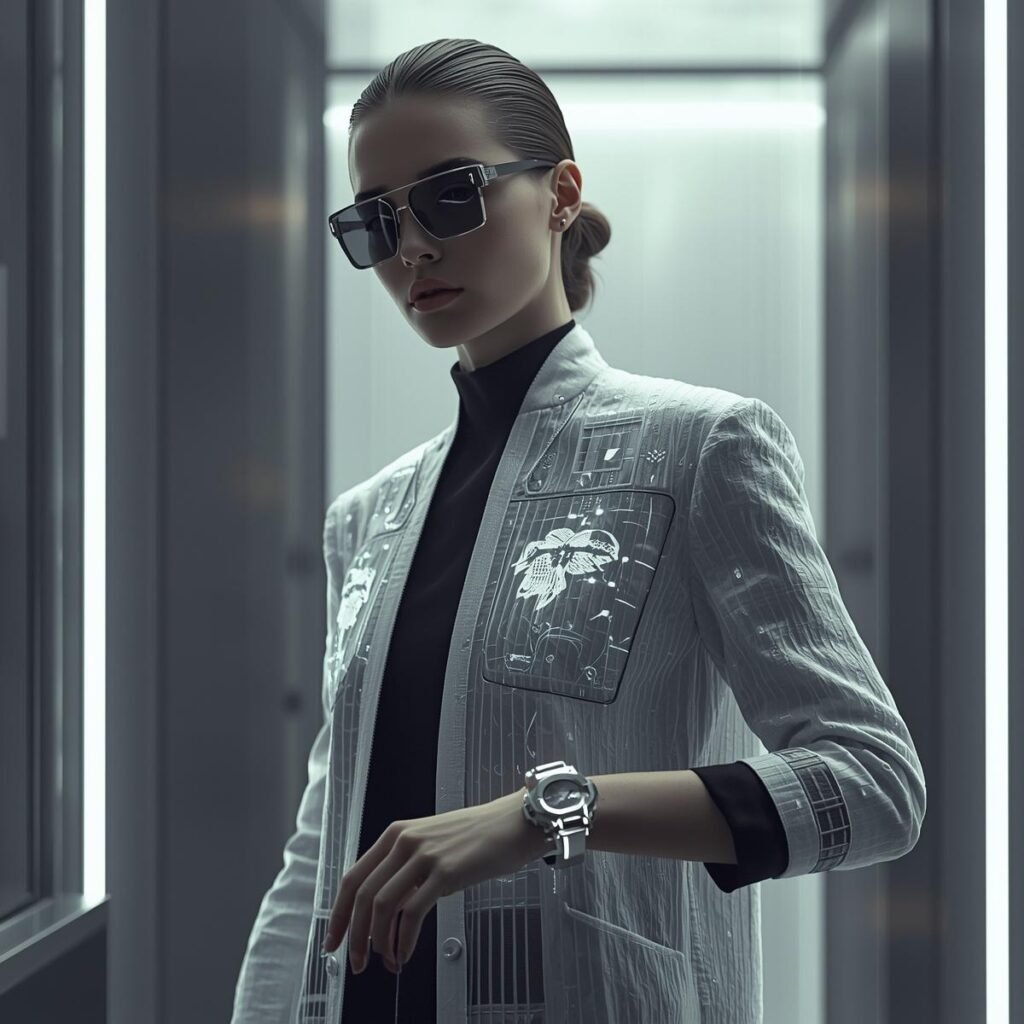
Wearable technology is transforming the luxury fashion industry by integrating electronics, sensors, and smart functionality directly into garments and accessories. These devices provide consumers with real-time data, interactive experiences, and enhanced lifestyle integration. In luxury fashion, wearable technology combines functionality with structured design standards, creating products that extend beyond traditional apparel.
This article explores the current applications, design considerations, market trends, consumer impact, and future directions of wearable technology in the luxury sector.
Understanding Wearable Technology
Wearable technology includes devices or garments embedded with electronics that interact with the user or environment. Key components include:
- Sensors measuring biometrics or environmental conditions
- Communication modules for data transfer
- Actuators that respond to stimuli
- Connectivity with smartphones, cloud platforms, or virtual systems
In luxury fashion, wearable technology focuses on seamless integration to maintain structured aesthetics and brand identity.
Categories of Wearable Technology
1. Health and Fitness Wearables
Wearables track physical activity, heart rate, sleep patterns, and other health metrics. Applications in luxury fashion include:
- Designer smart watches with biometric tracking
- Garments with integrated heart-rate or posture sensors
- Smart footwear monitoring movement efficiency
Luxury wearables combine functionality with structured design elements to appeal to fashion-conscious consumers.
2. Smart Accessories
Accessories such as bracelets, rings, handbags, or eyewear incorporate technology for:
- Notifications and communication alerts
- Contactless payments
- Virtual interaction and augmented reality
- Location tracking
Designers integrate these features while maintaining signature aesthetics and brand identity.
3. Connected Clothing
Connected garments transmit data to devices or cloud systems, allowing for:
- Personalized feedback on posture or activity
- Temperature regulation and adaptive comfort
- Interactive customization based on environmental data
Connected clothing aligns with structured luxury design by ensuring wearable functionality does not compromise garment form.
4. Fashion-Integrated AR and VR
Wearable technology enables immersive experiences through:
- AR-enabled eyewear for virtual try-ons
- VR garments enhancing virtual fashion shows
- Interactive digital overlays on physical garments
These applications extend the structured luxury experience into digital realms.
Design Considerations in Luxury Wearables
Luxury wearables must balance technology with traditional design principles:
- Material Integration – Electronics must be embedded without affecting garment structure.
- Durability – Devices must withstand cleaning and regular use.
- User Comfort – Sensors and modules should not interfere with movement.
- Aesthetic Consistency – Design codes and brand identity remain paramount.
- Data Security – Consumer information from wearable devices must be protected.
Structured integration ensures functionality complements luxury expectations.
Production and Manufacturing
Creating wearable technology requires cross-disciplinary collaboration between:
- Textile engineers
- Electronics developers
- Fashion designers
- Software engineers
Manufacturing steps include:
- Prototype development with integrated sensors
- Testing for comfort, durability, and accuracy
- Optimization for energy consumption and connectivity
- Quality control maintaining brand standards
Production emphasizes consistency to meet luxury consumer expectations.
Consumer Benefits
Wearable technology provides measurable value:
- Enhanced lifestyle management through data tracking
- Personalized adjustments to clothing or accessories
- Seamless integration with digital ecosystems
- Structured interaction with luxury brand experiences
Luxury consumers benefit from functional products that complement daily life while preserving design integrity.
Market Trends
Luxury adoption of wearable technology is increasing, driven by:
- Rising consumer interest in health and digital lifestyle integration
- Cross-industry collaborations with tech companies
- Limited-edition releases combining functionality and brand exclusivity
- Digital fashion integration with AR, VR, and AI
Structured deployment ensures long-term adoption without compromising brand identity.
Challenges
Wearable technology presents unique challenges for luxury fashion:
- Maintaining tactile quality while embedding electronics
- Ensuring structured fit and comfort
- Keeping up with rapid technological evolution
- Balancing cost with consumer perception of value
Brands invest in research, prototyping, and structured rollout strategies to overcome these challenges.
Sustainability Considerations
Wearable technology impacts sustainability in several ways:
- Reducing need for multiple product purchases through multifunctionality
- Enabling energy-efficient materials and components
- Encouraging longevity through software updates and modular hardware
Luxury brands integrate sustainability strategies without compromising structured design aesthetics.
Future Directions
The future of wearable technology in luxury fashion includes:
- Fully modular garments with upgradable sensors
- AI-enabled wearables providing real-time customization
- Advanced biometric monitoring for health and lifestyle optimization
- Seamless integration with digital fashion, AR, and virtual worlds
- Expanded personalization through connected ecosystems
Structured innovation ensures these developments reinforce brand identity and consumer engagement.
Conclusion
Wearable technology represents a major evolution in luxury fashion, combining performance, interactivity, and digital connectivity with structured design. From health-tracking garments to AR-enhanced accessories, wearables enhance the consumer experience while maintaining brand standards.
The future will see increased integration of AI, digital fashion, and advanced sensor technology into structured luxury products, expanding both functionality and value.