
Introduction
Luxury fashion houses represent heritage, craftsmanship, and structured business development across decades. Their histories reflect social change, industrial growth, global trade expansion, and brand evolution. Understanding the history of leading luxury fashion houses explains how modern luxury systems operate today.
This article explores the origins, development models, and long-term strategies that shaped global luxury fashion.
Early Foundations of Luxury Fashion
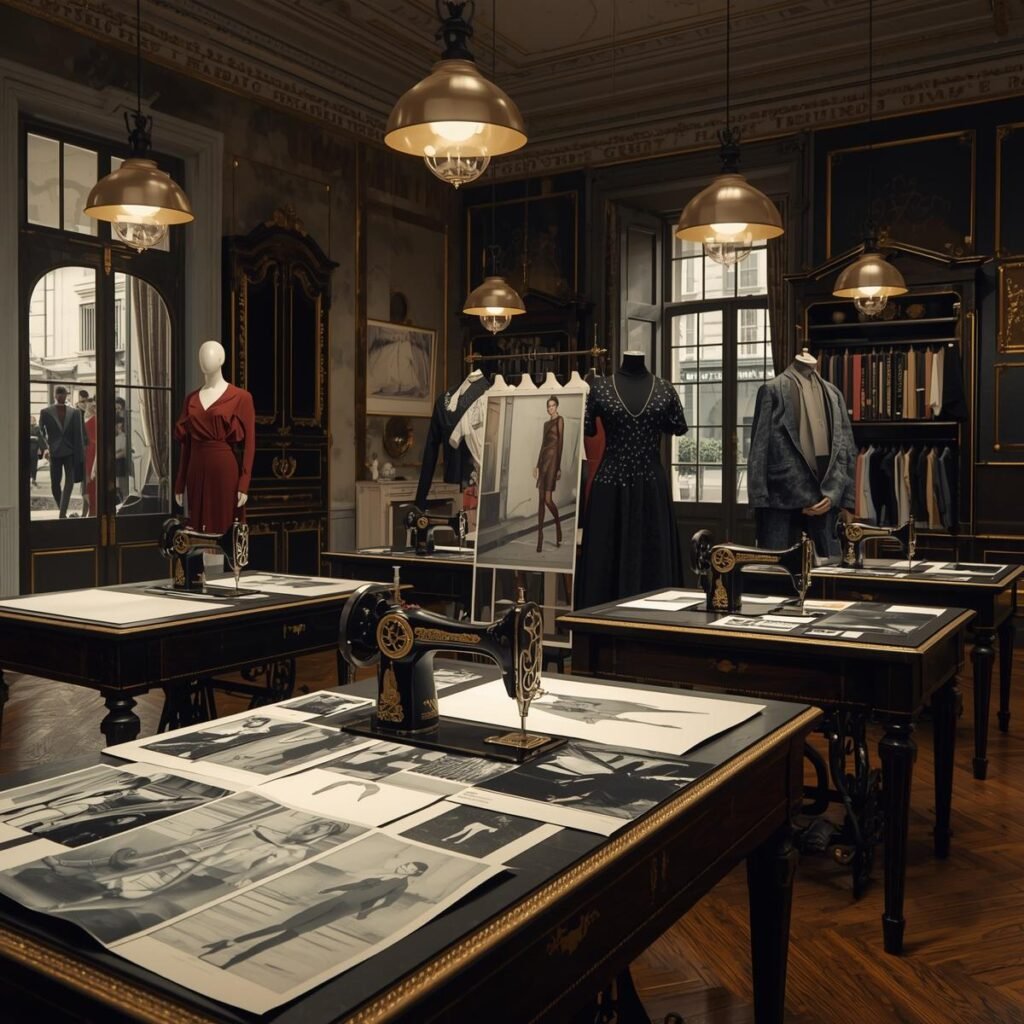
Luxury fashion houses began as ateliers serving elite clients. Tailors and dressmakers operated small workshops focused on custom garments. Production relied on:
- Hand stitching
- Local textile sourcing
- Client measurements
- Private fittings
Paris became a center for couture development during the nineteenth century. Structured design houses began presenting seasonal collections to select clients.
Rise of Haute Couture
Haute couture formalized luxury fashion production. Designers registered their houses and presented structured collections to private audiences. Couture required:
- Custom garment construction
- Multiple fittings
- High fabric cost
- Limited production
This system established exclusivity and positioned luxury fashion as an elite industry.
Expansion into Ready-to-Wear
During the twentieth century, luxury houses expanded into ready-to-wear production. This allowed brands to:
- Reach wider audiences
- Scale manufacturing
- Increase revenue
- Standardize sizing
Ready-to-wear did not replace couture but complemented it. Couture preserved brand authority, while ready-to-wear expanded commercial reach.
Globalization of Luxury Fashion
Luxury fashion houses expanded internationally through:
- Flagship stores
- Licensing agreements
- Fragrance and accessory lines
- International fashion weeks
Global expansion increased brand visibility and revenue streams. Markets in North America, Asia, and the Middle East became central to growth.
Development of Brand Identity
Each luxury house developed a signature identity built around:
- Silhouette structure
- Fabric preference
- Logo design
- Accessory specialization
Strong identity ensured long-term recognition. Brand continuity depended on maintaining design codes across creative director transitions.
Corporate Ownership and Conglomerates
Many luxury houses joined larger corporate groups to support expansion. Conglomerates provided:
- Financial stability
- Global distribution networks
- Marketing investment
- Supply chain integration
Corporate structure allowed heritage houses to scale operations while preserving brand history.
Innovation and Adaptation
Luxury houses adapted to:
- Industrial manufacturing
- Digital retail
- Sustainability expectations
- E-commerce systems
Innovation ensured survival across economic shifts.
Archive Preservation
Leading luxury fashion houses maintain archives documenting:
- Past collections
- Fabric samples
- Design sketches
- Historic campaigns
Archives support brand storytelling and inspire modern reinterpretations.
Influence on Global Fashion
Luxury houses influence:
- Textile production
- Retail merchandising
- Design education
- Cultural representation
Their history shapes modern fashion standards.
Conclusion
The history of leading luxury fashion houses reflects craftsmanship evolution, global expansion, and structured brand development. From couture ateliers to multinational enterprises, these houses built systems that define modern luxury fashion.
How to Identify Authentic Designer Clothing
Introduction
Authenticity defines luxury value. Counterfeit products reduce brand integrity and consumer trust. Identifying authentic designer clothing requires attention to detail, documentation, and purchasing strategy.
Examine Fabric Quality
Authentic designer garments use high-grade materials. Evaluate:
- Fabric density
- Stitch alignment
- Lining structure
- Hardware weight
Luxury construction prioritizes durability.
Inspect Labels and Tags
Authentic garments include:
- Consistent font alignment
- Clean stitching on labels
- Serial numbers where applicable
- Care instruction clarity
Irregular stitching or misspellings indicate risk.
Check Hardware and Zippers
Luxury brands use durable metal hardware. Inspect:
- Engraving precision
- Smooth zipper movement
- Weight balance
Low-quality hardware often signals counterfeit production.
Verify Seller Credibility
Purchase from:
- Official boutiques
- Authorized retailers
- Verified resale platforms
Avoid unverified marketplaces offering extreme discounts.
Review Price Consistency
Luxury pricing rarely drops dramatically. Large price reductions may indicate inauthentic products.
Compare with Official Images
Cross-check product details with official brand websites.
Examine:
- Stitch placement
- Logo size
- Pocket alignment
Minor differences can reveal inconsistencies.
Request Documentation
Some designer items include:
- Authenticity cards
- Serial verification
- Original packaging
Documentation supports resale value.
Conclusion
Identifying authentic designer clothing requires careful inspection of materials, labels, hardware, and seller credibility. Structured purchasing protects investment value and supports ethical consumption.
Limited Edition Collections and Their Value
Introduction
Limited edition collections hold strategic importance in luxury fashion. They reinforce exclusivity, control supply, and increase demand. Scarcity drives perceived and financial value.
What Defines a Limited Edition
A limited edition collection includes:
- Restricted production numbers
- Special design variations
- Region-specific releases
- Collaboration items
Brands disclose limited quantities to reinforce exclusivity.
Why Brands Release Limited Editions
Reasons include:
- Market testing
- Brand positioning
- Cultural collaboration
- Anniversary celebration
Limited production strengthens brand identity.
Economic Value and Resale
Limited edition pieces often retain resale value due to:
- Scarcity
- Archive importance
- Cultural relevance
Resale platforms track limited collections closely.
Consumer Strategy
Buyers interested in limited editions should:
- Monitor release dates
- Purchase through official channels
- Preserve original packaging
- Maintain garment condition
Conclusion
Limited edition collections create scarcity within luxury markets. Their value stems from restricted production, cultural alignment, and brand authority.
Comparing High-End Fashion Brands
Introduction
Comparing high-end fashion brands helps consumers evaluate craftsmanship, pricing, heritage, and long-term investment potential.
Craftsmanship Standards
Brands differ in:
- Fabric sourcing
- Tailoring complexity
- Hand-finishing techniques
Craftsmanship often justifies price positioning.
Brand Heritage
Established houses with long histories rely on archive continuity and design codes.
Newer brands may focus on innovation or cultural integration.
Pricing Structure
High-end brands set pricing based on:
- Material cost
- Production volume
- Brand equity
- Market demand
Price does not always equal quality; research is required.
Product Specialization
Some brands focus on:
- Leather goods
- Tailoring
- Evening wear
- Streetwear integration
Understanding specialization helps guide purchasing decisions.
Retail and Distribution
Brands vary in:
- Flagship presence
- E-commerce systems
- Wholesale partnerships
Distribution strategy affects accessibility.
Sustainability Practices
Consumers increasingly evaluate sustainability commitments.
Brands investing in responsible sourcing and repair services build long-term trust.
Conclusion
Comparing high-end fashion brands requires evaluation of craftsmanship, heritage, pricing, specialization, and sustainability practices. Informed comparison supports structured luxury investment decisions.