

Introduction
Authentic designer clothing represents craftsmanship, controlled production, brand heritage, and long-term value. As global demand for luxury fashion grows, counterfeit production also increases. For consumers, identifying authentic designer clothing protects financial investment, supports ethical trade, and preserves resale value.
This guide explains how to verify authenticity through fabric inspection, construction analysis, label examination, pricing evaluation, and purchasing strategy. Understanding these factors reduces risk and strengthens buying decisions.
Why Authenticity Matters
Authenticity affects several areas:
- Financial investment
- Resale potential
- Brand reputation
- Ethical sourcing
- Consumer trust
Designer clothing maintains value because it follows structured manufacturing standards. Counterfeit items attempt to replicate appearance but rarely replicate material quality or construction discipline.
Authenticity ensures long-term usability and protects buyers from fraud.
Understanding Designer Production Standards
Luxury brands follow strict production systems that include:
- Controlled textile sourcing
- Structured pattern development
- Skilled tailoring
- Quality inspection stages
- Limited production quantities
Each stage leaves visible indicators in the finished garment. Learning to recognize these indicators is essential.
Step 1: Examine Fabric Quality
Fabric is often the first authenticity signal.
Authentic designer garments typically use:
- Natural fibers such as wool, silk, and cotton
- High-grade leather
- Structured lining materials
- Durable thread
When inspecting fabric:
- Feel for density and consistency
- Check weight distribution
- Observe weave structure
- Evaluate how the material holds shape
Counterfeit items may appear similar from a distance but often use lower-cost synthetic blends.
Fabric integrity affects durability and long-term wear.
Step 2: Inspect Stitching and Construction
Stitching reveals manufacturing standards.
Authentic designer clothing features:
- Straight seam alignment
- Even stitch length
- Reinforced stress points
- Clean internal finishing
Turn the garment inside out to examine internal seams. Look for:
- Overlock finishing
- Bound seams
- Secure lining attachment
- Symmetrical pattern matching
Uneven stitching or loose threads indicate lower production standards.
Luxury brands maintain strict quality control, so inconsistencies are rare.
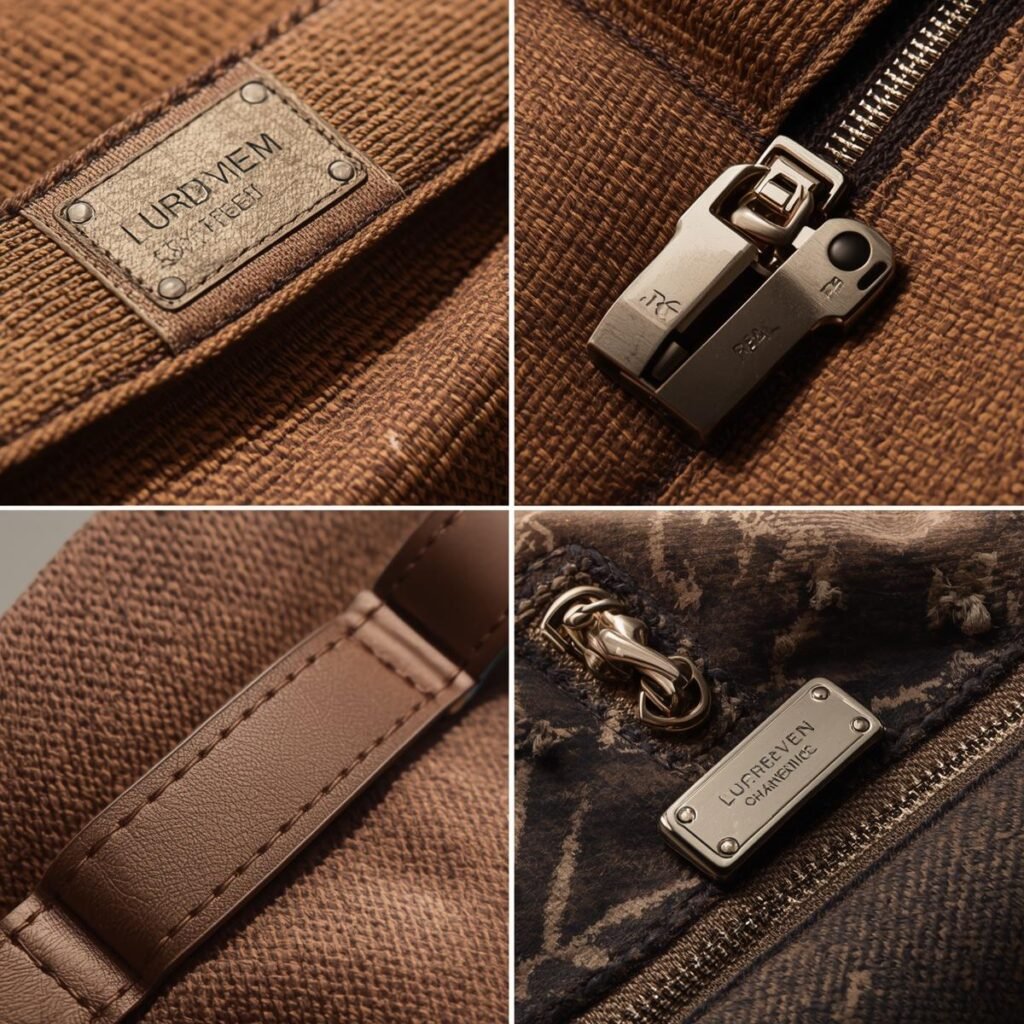
Step 3: Evaluate Labels and Tags
Labels provide critical verification clues.
Examine:
- Font consistency
- Spacing between letters
- Alignment with garment seams
- Stitch precision around label edges
Authentic designer labels are attached securely and centered. Serial numbers, style codes, and care instructions are printed clearly.
Counterfeit labels may contain spelling errors, irregular font weight, or uneven stitching.
Compare label details with images from official brand websites to confirm consistency.
Step 4: Analyze Hardware and Fastenings
Designer garments often include hardware such as:
- Zippers
- Buttons
- Snaps
- Metal plates
Authentic hardware typically features:
- Engraved branding
- Balanced weight
- Smooth function
- Secure attachment
Test zipper movement. It should operate without resistance. Inspect engraving depth and letter clarity.
Lightweight or loosely attached hardware can indicate inauthentic production.
Step 5: Review Packaging and Documentation
Some designer items include additional authentication materials:
- Authenticity cards
- Dust bags
- Branded boxes
- Serial number certificates
While packaging alone does not confirm authenticity, poor-quality packaging may indicate counterfeit origin.
Documentation should align with brand standards and include consistent typography and branding.
Step 6: Verify Serial Numbers and Style Codes
Many designer garments include internal codes.
These codes:
- Match production records
- Identify collection season
- Confirm model number
Cross-check codes through official customer service channels when possible.
Some brands provide digital verification systems to confirm authenticity.
Step 7: Compare Price Positioning
Luxury brands maintain structured pricing models. While seasonal discounts may occur, extreme price reductions are rare.
Be cautious of:
- Large markdowns without explanation
- Sellers unwilling to provide receipts
- Bulk availability of limited items
Price positioning often reflects production cost and brand equity.
Step 8: Evaluate Seller Credibility
Purchase from:
- Official brand boutiques
- Authorized department stores
- Verified online platforms
- Reputable resale marketplaces
Review seller ratings and transaction history when buying secondhand.
Request proof of purchase if available.
Step 9: Study Brand-Specific Details
Each designer brand has specific design codes.
For example:
- Placement of logos
- Signature stitching patterns
- Specific lining colors
- Distinct pocket shapes
Study official product images and compare carefully.
Small inconsistencies often reveal counterfeits.
Step 10: Assess Fit and Structure
Designer clothing often follows structured sizing patterns.
Examine:
- Shoulder alignment
- Sleeve proportion
- Hem symmetry
- Fabric drape
Poor structural balance may signal inauthentic production.
Luxury garments are designed with precision in fit and silhouette.
Step 11: Use Professional Authentication Services
If uncertainty remains, consider third-party authentication services.
These services analyze:
- Stitch density
- Fabric composition
- Serial numbers
- Hardware engraving
Professional authentication adds resale value and peace of mind.
Step 12: Understand Common Counterfeit Tactics
Counterfeit producers often:
- Replicate logo placement
- Copy packaging design
- Use lower-cost fabric blends
- Distribute through unverified platforms
Awareness of these tactics strengthens purchasing decisions.
Online Shopping Precautions
When buying online:
- Request detailed images
- Ask for close-up shots of labels and hardware
- Verify return policies
- Avoid direct bank transfers without buyer protection
Digital marketplaces require additional caution.
Secondhand and Resale Considerations
Resale markets offer access to discontinued collections.
Before purchasing:
- Confirm authenticity verification policies
- Request condition reports
- Review seller feedback
Resale platforms that provide authentication services reduce risk.
Protecting Your Investment
Once authenticity is confirmed:
- Store garments properly
- Retain original packaging
- Keep purchase receipts
- Document serial numbers
Proper storage maintains condition and resale potential.
The Economic Impact of Counterfeiting
Counterfeit production harms:
- Brand revenue
- Textile manufacturers
- Retail employees
- Consumers
Supporting authentic products sustains ethical labor systems and preserves craftsmanship traditions.
Long-Term Value of Authentic Designer Clothing
Authentic garments maintain value through:
- Structured construction
- Controlled supply
- Brand heritage
- Resale demand
Investing in verified pieces protects financial resources.
Conclusion
Identifying authentic designer clothing requires attention to fabric quality, stitching precision, label consistency, hardware structure, and seller credibility. Structured verification reduces fraud risk and protects long-term investment.
Authenticity is not determined by appearance alone. It is confirmed through material integrity, production discipline, and documented provenance.
Understanding these factors enables informed purchasing decisions within the luxury fashion market.