
Introduction
Luxury fashion continues to shape the global apparel industry through innovation, craftsmanship, heritage, and cultural influence. Each year, new directions emerge from fashion weeks, designer studios, digital platforms, and consumer behavior shifts. These trends influence production, retail strategy, marketing, and personal wardrobes across continents.
This article explores the top luxury fashion trends this year, how they developed, why they matter, and how consumers and brands respond to them. The focus is on structure, industry impact, and long-term value rather than temporary hype.
The Evolution of Luxury Fashion Trends
Luxury fashion trends do not appear without context. They result from a chain of influence that includes:
- Fashion week presentations
- Designer archives
- Cultural movements
- Economic conditions
- Technology adoption
- Consumer demand data
Luxury houses analyze past collections, global events, and purchasing patterns before presenting new designs. Buyers, editors, influencers, and stylists then distribute those ideas across media platforms. Retailers adjust inventory based on expected demand.
This year’s trends reflect a balance between heritage and technology, minimalism and statement design, tailoring and comfort.
1. Structured Tailoring Revival
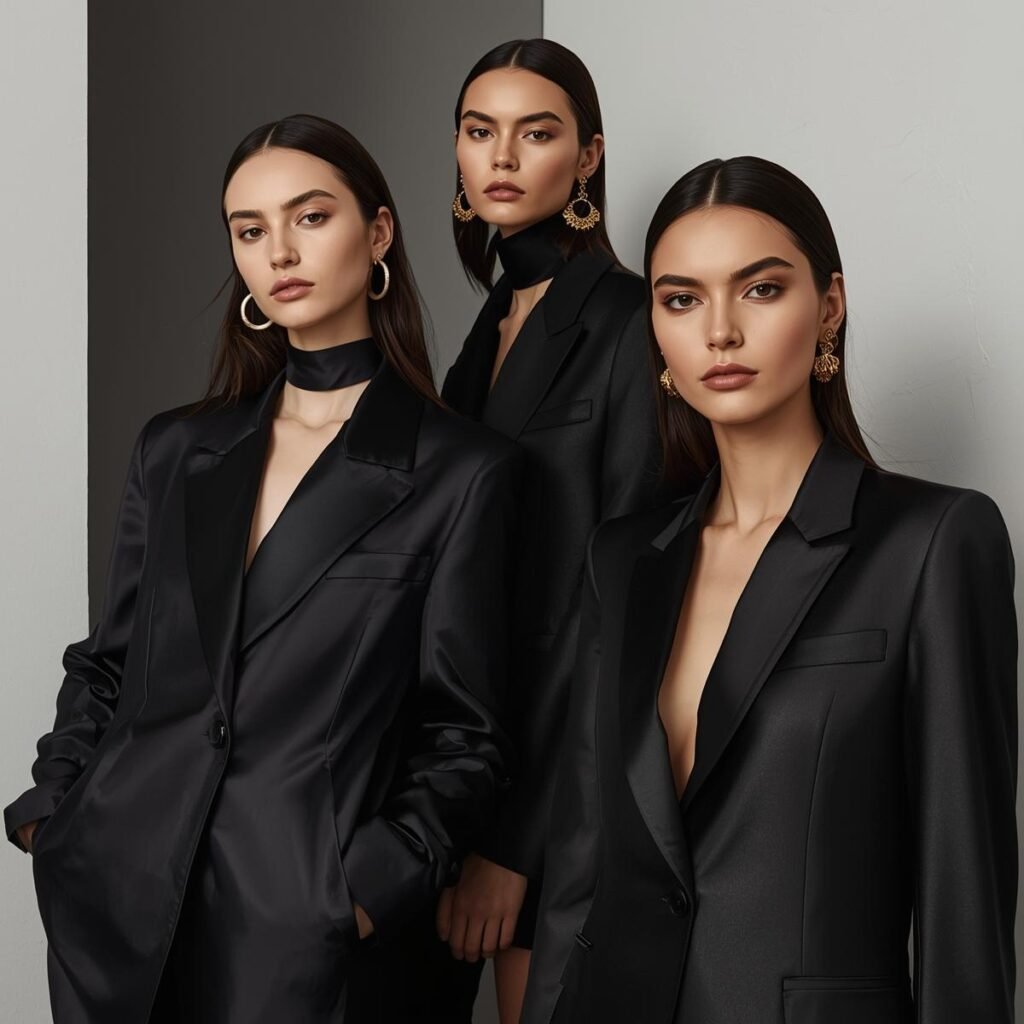
Tailoring has returned as a leading direction in luxury fashion. Structured suits, defined shoulders, long coats, and formal silhouettes dominate runway collections.
Why Tailoring Is Trending
- Increased demand for professional wardrobe pieces
- Return to office environments
- Interest in timeless investment garments
- Archive references from past decades
Luxury brands have revisited classic tailoring techniques while adjusting proportions for modern wear. Suits are styled for both formal and casual settings, often paired with sneakers or knitwear.
Industry Impact
Tailoring increases production complexity due to fabric sourcing, lining construction, and precision cutting. As a result, brands emphasize craftsmanship and justify higher price points through construction quality.
2. Quiet Luxury Movement
The quiet luxury movement continues to influence consumer behavior. This trend focuses on subtle branding, neutral palettes, refined silhouettes, and investment pieces without visible logos.
Key Elements
- Neutral color ranges
- Fine materials such as wool, silk, and cashmere
- Minimal surface branding
- Long-term wardrobe planning
Consumers are shifting toward pieces that retain relevance beyond a single season. This approach supports sustainable purchasing behavior and resale value.
Market Response
Luxury retailers report higher interest in timeless coats, tailored trousers, structured handbags, and knitwear without visible brand marks.
3. Statement Outerwear
Outerwear remains central to luxury collections this year. Designers present oversized coats, structured trench styles, leather layers, and long silhouettes.
Reasons Behind the Trend
- Climate awareness
- Travel recovery
- Increased focus on layering
- Social media visibility
Outerwear often serves as the most visible garment during colder months, making it a strategic investment piece.
Luxury houses focus on craftsmanship in stitching, lining, and material sourcing to differentiate products in this category.
4. Elevated Streetwear Integration
Streetwear maintains its position within luxury fashion but evolves toward structured design and refined materials.
Current Direction
- Tailored hooded pieces
- Structured sneakers
- Layered silhouettes
- High-end fabrics in casual shapes
Luxury brands integrate street culture while preserving craftsmanship standards. This approach attracts younger buyers while retaining brand heritage.
5. Sheer Layering and Transparency
Sheer fabrics and layered garments appear across runway shows this year. Designers experiment with transparency in dresses, blouses, and skirts.
Purpose of the Trend
- Exploration of fabric technology
- Contrast between structure and fluidity
- Styling versatility
Consumers combine sheer pieces with tailored garments to create contrast. This layering approach increases styling flexibility and supports multi-season wear.
6. Monochrome Styling
Monochrome outfits remain dominant in luxury fashion. Instead of mixing prints and patterns, designers present single-color ensembles.
Benefits of Monochrome
- Simplified styling
- Strong visual identity
- Focus on silhouette and texture
- Extended garment usability
Monochrome collections also improve production efficiency and brand consistency.
7. Archive-Inspired Designs
Many luxury houses reference their archives to reinterpret past collections. Archive revival connects brand history with modern consumers.
Common Archive Elements
- Vintage silhouettes
- Heritage prints
- Classic bag shapes
- Historical tailoring cuts
This strategy strengthens brand identity while introducing heritage to new audiences.
8. Investment Accessories
Accessories remain central to revenue in luxury fashion. This year, structured handbags, leather belts, metal jewelry, and watches receive attention.
Why Accessories Lead
- Higher profit margins
- Broader customer base
- Entry point pricing strategy
- Resale potential
Luxury consumers view accessories as investment pieces that hold long-term value.
9. Sustainable Production Practices
Sustainability continues to shape design decisions. Luxury brands invest in:
- Ethical sourcing
- Reduced waste cutting
- Long-lasting construction
- Transparent supply chains
Consumers increasingly evaluate brand responsibility before purchasing.
Sustainability also supports resale markets, rental platforms, and repair services.
10. Digital Fashion Influence
Digital fashion impacts marketing and design strategy. Virtual try-ons, AI-generated concepts, and digital garments expand brand reach.
Effects on Luxury Trends
- Faster concept testing
- Broader online engagement
- Collaboration with gaming platforms
- Virtual runway presentations
Luxury brands now consider digital representation during garment design.
11. Gender-Neutral Collections
Many luxury brands reduce strict gender segmentation. Collections include fluid silhouettes and flexible sizing systems.
Industry Motivation
- Cultural shifts
- Demand for inclusive sizing
- Retail efficiency
- Creative experimentation
This approach broadens the customer base and reduces inventory limitations.
12. Long Skirts and Extended Silhouettes
Long skirts and extended-length garments appear frequently this year.
Reasons for Popularity
- Formal influence
- Return of structured dressing
- Layering compatibility
These silhouettes align with tailoring revival and quiet luxury direction.
13. Statement Footwear
Footwear trends focus on structure and proportion.
- Sculpted heels
- Structured boots
- Minimal sneakers
- Classic loafers
Luxury footwear balances design innovation with wearability to support long-term investment value.
14. Metallic and Textural Contrast
Metallic fabrics and contrasting textures appear in evening wear and outerwear.
Industry Perspective
Texture variation enhances visual impact without relying on logos. It also supports runway photography and digital promotion.
Consumer Behavior and Trend Adoption
Luxury consumers today prioritize:
- Longevity
- Resale value
- Brand heritage
- Craftsmanship
- Versatility
Trends that align with these factors achieve stronger sales performance.
Retail analytics show that items combining tailoring, neutral tones, and structural design perform consistently across markets.
How Luxury Brands Develop Trends
Trend development includes several stages:
- Concept research
- Material sourcing
- Prototype creation
- Runway presentation
- Wholesale buyer selection
- Retail distribution
- Consumer adoption
Each stage influences final availability and price.
The Role of Fashion Weeks
Fashion weeks in cities such as Paris, Milan, London, and New York continue to set the tone for luxury trends. Buyers and editors analyze silhouettes, materials, and themes before placing orders.
Digital coverage accelerates trend visibility through online platforms and media outlets.
Social Media and Trend Acceleration
Social platforms influence trend speed. A runway look can reach global audiences within minutes.
However, luxury brands control distribution to preserve exclusivity. Limited production supports brand value.
Investment Strategy for Consumers
Consumers interested in following this year’s luxury trends should focus on:
- Tailored garments
- Structured outerwear
- Neutral color palettes
- Minimal branding
- Classic accessories
These categories align with both current direction and long-term wardrobe planning.
Long-Term Impact of This Year’s Trends
The strongest trends often extend beyond a single season. Tailoring, quiet luxury, archive revival, and sustainability are not temporary movements. They reflect broader economic and cultural conditions.
Luxury fashion houses balance innovation with stability to protect brand equity.
Conclusion
This year’s top luxury fashion trends reflect a shift toward structure, longevity, and heritage. Tailoring revival, quiet luxury, sustainable production, archive references, and digital influence shape both design and consumer behavior.
Luxury fashion continues to evolve through craftsmanship, cultural dialogue, and strategic innovation. Brands that combine heritage with adaptation maintain relevance across markets.
Understanding these trends allows consumers, investors, and retailers to make informed decisions aligned with long-term value rather than short-term cycles.