Key luxury fashion trends driving innovation in clothing accessories industry
Introduction
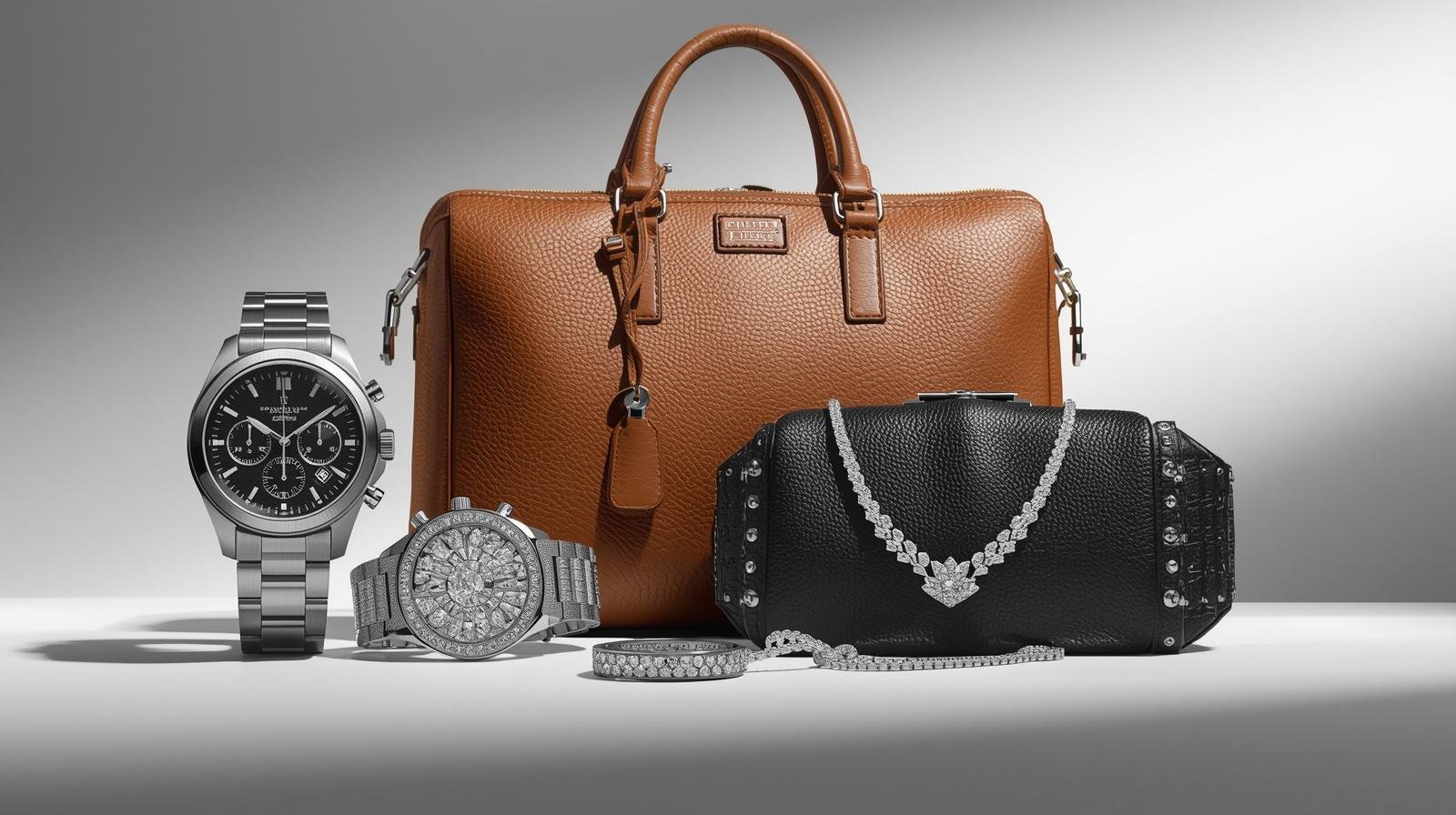
The clothing accessories industry plays an important role in luxury fashion. Accessories include items such as watches, bags, belts, eyewear, and jewelry. These products influence how outfits are completed and how personal style is expressed.
Luxury fashion trends affect how accessories are designed, produced, and used. Designers study consumer behavior, market data, and cultural changes to develop new ideas. These ideas lead to innovation in materials, production methods, and product functions.
Innovation in this industry is not limited to appearance. It also includes functionality, durability, and user experience. Consumers expect accessories to meet practical needs while reflecting personal identity.
This article explains how key luxury fashion trends drive innovation in the clothing accessories industry. It explores design systems, technology, consumer behavior, sustainability, and market influence.
Role of accessories in modern fashion systems
Accessories complete clothing choices. They connect different parts of an outfit and influence overall appearance. In luxury fashion, accessories carry strong importance because they often represent brand identity.
Consumers use accessories to express personal style. A single item can change how an outfit is perceived. This makes accessories a key part of wardrobe decisions.
Designers treat accessories as separate product categories with their own development cycles. They analyze trends and consumer needs before creating new designs.
Retail systems also highlight accessories through display strategies and product placement. This increases visibility and supports sales.
Influence of consumer behavior on accessory innovation
Consumer behavior plays a role in how accessories are developed. People consider function, style, and durability before making purchases.
Modern consumers prefer items that serve multiple purposes. For example, a bag may be used for work and travel. This expectation influences design decisions.
Consumers also evaluate long-term value. They select accessories that last over time and maintain usability.
Feedback from customers helps brands improve products. Reviews and surveys provide information about performance and design.
This interaction between consumers and brands supports continuous innovation.
Role of material development in accessories industry
Materials play a key role in accessory design. Designers select materials based on strength, flexibility, and usability.
Innovation in materials supports new product development. Brands test different combinations to improve performance.
Sourcing materials from different regions allows access to a wider range of options. This supports variation in design and function.
Manufacturers also focus on reducing waste during production. Efficient material use improves sustainability and cost management.
Material research continues to influence how accessories are developed.
Impact of technology on accessory design and production
Technology has changed how accessories are created. Designers use digital tools to develop concepts and test designs.
3D modeling allows visualization of products before production. This reduces errors and improves accuracy.
Automated manufacturing systems increase production speed and consistency. These systems reduce manual work and improve efficiency.
Data analysis helps brands understand consumer demand. Companies use this information to guide product development.
Smart accessories also represent innovation. Some products include digital features such as tracking, connectivity, and monitoring.
Technology continues to expand possibilities in accessory design.
Role of branding in accessory innovation
Brand identity influences how accessories are designed and marketed. Luxury brands maintain consistent style and quality across products.
Designers work within brand guidelines while introducing new ideas. This balance supports innovation without losing identity.
Marketing strategies highlight product features and usage. Consumers understand how accessories fit into their lifestyle.
Collaborations between brands create new product categories. These partnerships combine different design approaches.
Brand influence plays a role in shaping innovation in the industry.
Influence of sustainability on accessory development
Sustainability affects how accessories are produced. Brands focus on reducing environmental impact through material selection and production methods.
Recycled materials are used in many products. This reduces waste and supports resource efficiency.
Consumers consider sustainability when making purchases. They choose products that align with environmental responsibility.
Durability also supports sustainability. Products that last longer reduce the need for frequent replacement.
Resale and recycling markets extend product life cycles. This supports a circular system in the industry.
Role of global markets in shaping accessory trends
Global markets influence accessory design and distribution. Brands operate in multiple regions and adjust products based on demand.
Consumers access accessories from different countries through online platforms. This increases exposure to diverse styles.
Cultural differences affect design choices. Brands consider regional preferences when creating products.
Trade systems support global distribution. This allows products to reach wider audiences.
Global interaction contributes to innovation and trend development.
Influence of retail systems on accessory sales
Retail systems affect how accessories are presented and sold. Physical stores allow consumers to view and try products.
Store layout influences product visibility. Items placed in key areas receive more attention.
Online stores provide access to a wide range of accessories. Consumers compare products and make decisions based on information.
Search systems and recommendations guide user behavior. Featured products gain higher visibility.
Retail systems play a role in shaping demand and innovation.
Role of media in promoting accessory trends
Media platforms influence awareness of accessory trends. Brands use advertising to present new products.
Social media allows direct communication with consumers. Designers and brands share updates and product information.
Public figures influence accessory choices. When they use specific items, consumers follow similar trends.
Media coverage of fashion events increases visibility of new designs.
Content sharing supports the spread of trends across markets.
Consumer decision-making in accessory purchases
Consumers follow a structured process when selecting accessories. This includes awareness, interest, evaluation, and purchase.
They become aware of products through media or recommendations. They explore options and gather information.
Consumers compare features, prices, and quality. They evaluate whether the product meets their needs.
After purchase, they assess satisfaction and usage. This feedback influences future decisions.
This process shapes demand and innovation in the industry.
Role of customization in accessories industry
Customization allows consumers to modify products based on preference. Options include size, color, engraving, and design adjustments.
This increases product relevance for users. Consumers receive items that match their requirements.
Customization also supports brand loyalty. Consumers return to brands that offer personalized services.
Technology supports customization through digital tools. Consumers can preview designs before purchase.
This trend influences how accessories are developed and marketed.
Impact of pricing strategies on accessory innovation
Pricing affects how accessories are perceived. Higher prices often reflect quality and design complexity.
Consumers evaluate price in relation to value. They consider usage and durability.
Discounts influence purchasing decisions. Consumers respond to price changes during promotions.
Payment options such as installments increase accessibility.
Pricing strategies guide market behavior and influence product development.
Role of supply chains in accessory production
Supply chains support the production and distribution of accessories. Materials are sourced from different regions and assembled in production facilities.
Efficiency in supply chains affects availability and cost. Faster systems support quicker response to demand.
Disruptions in supply chains affect production timelines. Brands adjust strategies to manage challenges.
Global supply networks allow access to diverse materials and markets.
Supply chains play a role in innovation and product delivery.
Influence of innovation in smart accessories
Smart accessories represent a growing area in luxury fashion. These products include digital functions such as tracking and connectivity.
Designers integrate technology into traditional items like watches and eyewear.
Consumers use these products for both function and style. This combination increases demand.
Innovation in this area continues to grow as technology develops.
Future direction of accessories industry trends
The accessories industry will continue to evolve with changes in technology and consumer behavior. Digital tools will support design and production.
Sustainability will remain a key focus. Brands will adjust processes to reduce environmental impact.
Global markets will continue to influence design and distribution. Consumers will access products from different regions.
Customization and smart features will expand product categories.
Innovation will remain central to industry development.
Conclusion
Luxury fashion trends drive innovation in the clothing accessories industry. These trends influence how products are designed, produced, and used.
Consumers play a role by shaping demand and providing feedback. Brands respond with new materials, technologies, and designs.
Sustainability, technology, and global markets all contribute to innovation.
As the industry continues to grow, accessories will remain a key part of fashion systems. Innovation will shape how products are developed and how consumers use them.