Latest luxury fashion trends shaping global style and consumer choicesIntroduction
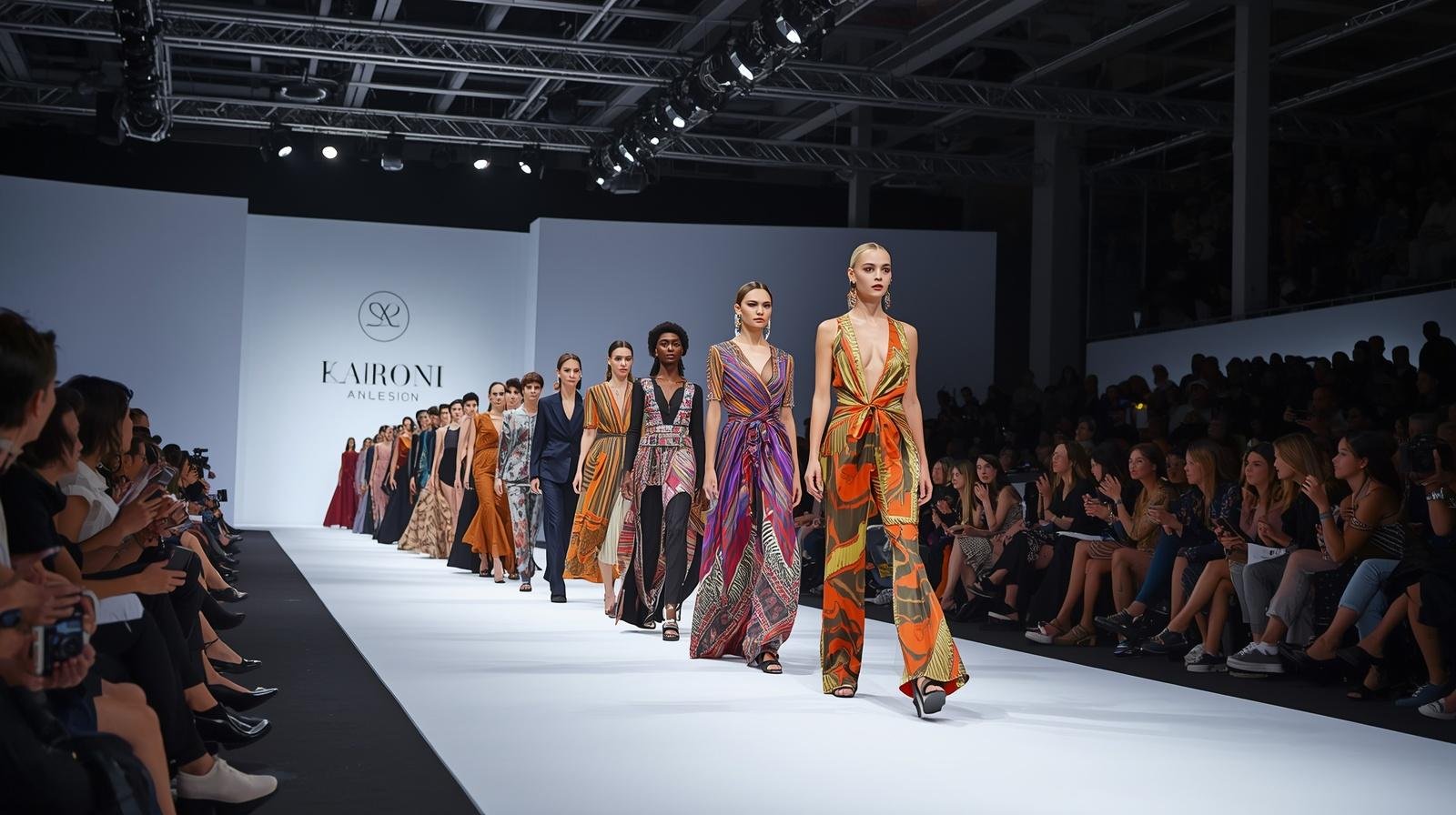
Luxury fashion trends play a role in how people dress across regions. These trends influence how brands design products and how consumers select clothing. The connection between fashion houses, retailers, and buyers continues to evolve as technology and communication systems expand. Global style now reflects a mix of ideas from multiple regions, and consumer choices are shaped by access to information, product availability, and social influence.
Luxury fashion no longer stays within a limited group. It reaches wider audiences through online platforms, retail expansion, and content sharing. Consumers observe trends through media channels and respond by adjusting their wardrobe decisions. This process creates a cycle where demand influences supply and supply shapes demand.
This article explains how current luxury fashion trends shape global style and influence consumer choices. It covers digital influence, cultural exchange, production systems, sustainability, and purchasing behavior.
The role of global connectivity in fashion trends
Global connectivity allows fashion trends to move across regions in a short time. Designers present collections in one country, and within hours, images and videos reach audiences worldwide. This flow of information reduces the gap between production and consumption.
Fashion weeks in cities like Paris, Milan, New York, and London act as central points where trends are introduced. Buyers, media teams, and influencers share content through online channels. Consumers view this content and begin to follow similar styles.
Retail systems also support this movement. Online stores allow consumers to access products without location limits. This access changes how people select clothing. Instead of relying on local markets, they explore international options.
Digital platforms and their impact on consumer behavior
Digital platforms influence how consumers interact with fashion. Social media applications, websites, and mobile platforms provide continuous exposure to new designs and collections. Consumers spend time viewing content, comparing products, and making decisions.
Influencers and content creators play a role in presenting fashion items. They wear products, share experiences, and provide recommendations. This content builds trust and encourages purchasing decisions.
E-commerce platforms also shape consumer choices. These platforms provide product descriptions, images, pricing details, and customer reviews. Consumers use this information to evaluate products before making a purchase.
Search engines contribute to this process. When consumers search for fashion items, they receive results based on relevance and popularity. This system directs attention toward specific brands and trends.
Changing definition of luxury in modern markets
The definition of luxury has changed over time. In the past, luxury focused on exclusivity and high pricing. Today, it includes accessibility, personalization, and experience.
Consumers look for products that match their identity. They value items that represent their lifestyle and preferences. This shift changes how brands design and market their products.
Luxury brands respond by offering customization options. Consumers select colors, materials, and designs based on their needs. This approach creates a connection between the brand and the buyer.
Experience also plays a role. Retail stores provide services such as personal styling, private shopping sessions, and product consultations. These services influence consumer decisions and build long-term relationships.
Influence of cultural exchange on global style
Cultural exchange shapes modern fashion trends. Designers draw ideas from different regions and combine them into new styles. This process creates clothing that reflects multiple influences.
Consumers accept and adopt these styles. They wear clothing inspired by different cultures and integrate it into their daily wardrobe. This adoption creates a shared global style.
Travel and migration contribute to this exchange. People move between regions and bring their fashion preferences with them. This movement spreads styles and influences local markets.
Media also plays a role. Films, television shows, and online content present fashion from different cultures. Consumers observe these styles and adopt them.
Role of sustainability in luxury fashion trends
Sustainability has become a key factor in fashion decisions. Consumers pay attention to how products are made and how they affect the environment. This awareness influences purchasing behavior.
Luxury brands respond by adjusting their production processes. They use materials that reduce environmental impact and improve supply chain transparency. These changes aim to meet consumer expectations.
Consumers also consider product lifespan. They choose items that last longer and provide value over time. This approach reduces frequent purchases and supports sustainable practices.
Recycling and resale markets are also growing. Consumers sell or exchange luxury items instead of discarding them. This system extends product usage and reduces waste.
Impact of technology on fashion production and design
Technology influences how fashion products are created and distributed. Designers use digital tools to develop patterns and test designs. These tools improve accuracy and reduce production time.
Manufacturers use automated systems to produce clothing. These systems increase efficiency and maintain consistency. They also reduce errors during production.
Data analysis helps brands understand consumer behavior. Companies collect information about preferences, purchasing patterns, and market trends. This data guides design and marketing decisions.
Virtual reality and augmented reality tools allow consumers to view products before purchase. They try clothing through digital simulations, which supports decision-making.
Role of branding in shaping consumer choices
Brand identity plays a role in consumer decisions. Luxury brands build recognition through logos, design patterns, and marketing campaigns. Consumers associate these elements with quality and status.
Marketing strategies focus on storytelling. Brands share their history, values, and production processes. This information creates a connection with consumers.
Collaborations between brands also influence trends. When two brands work together, they combine their audiences and create new products. These collaborations attract attention and increase demand.
Limited product releases create urgency. Consumers respond by making quick purchasing decisions to secure items before they become unavailable.
Influence of pricing strategies on consumer behavior
Pricing strategies affect how consumers perceive luxury products. High prices often indicate quality and exclusivity. Consumers associate price with value and make decisions based on this perception.
Discounts and promotions also influence behavior. When brands offer limited-time price reductions, consumers feel motivated to purchase.
Payment options such as installments and financing increase accessibility. Consumers who cannot pay full price at once use these options to purchase luxury items.
Price comparison tools allow consumers to evaluate options across platforms. This access to information helps them make informed decisions.
Role of retail environments in shaping fashion trends
Retail environments influence how consumers experience fashion. Physical stores provide direct interaction with products. Consumers touch materials, try clothing, and receive assistance from staff.
Store design plays a role in this experience. Layout, lighting, and product placement affect how consumers view items. These elements guide movement and highlight specific products.
Online retail environments also shape decisions. Website design, navigation, and product display influence user experience. Consumers prefer platforms that provide clear information and easy access.
Customer service impacts satisfaction. Quick responses, return policies, and support systems influence whether consumers complete purchases.
Influence of media and advertising on fashion trends
Media and advertising shape consumer awareness. Brands use campaigns to present new collections and communicate messages. These campaigns appear on television, websites, and social media.
Advertising content focuses on product features and usage. Consumers view this content and understand how items fit into their lifestyle.
Celebrities and public figures also influence trends. When they wear specific items, consumers notice and follow similar choices.
Content repetition increases visibility. When consumers see the same product multiple times, they become familiar with it and consider purchasing.
Consumer decision-making process in luxury fashion
Consumers follow a process when selecting luxury fashion items. This process includes awareness, interest, evaluation, and purchase.
First, consumers become aware of a product through media or recommendations. Next, they develop interest by exploring features and benefits.
They then evaluate options by comparing products, prices, and reviews. Finally, they make a purchase decision based on their analysis.
Post-purchase behavior also matters. Consumers assess satisfaction and decide whether to continue buying from the same brand.
Role of personalization in modern fashion trends
Personalization allows consumers to tailor products to their preferences. Brands offer options such as custom sizes, colors, and designs.
This approach increases satisfaction. Consumers receive products that match their needs and expectations.
Personalization also builds loyalty. When consumers feel connected to a brand, they return for future purchases.
Technology supports personalization. Data systems track preferences and provide recommendations based on past behavior.
Future direction of luxury fashion trends
Luxury fashion trends will continue to evolve with changes in technology, consumer behavior, and global conditions. Digital platforms will expand, and consumers will rely on them for information and purchases.
Sustainability will remain a factor in production and consumption. Brands will continue to adjust processes to meet expectations.
Global style will reflect a mix of influences from different regions. Cultural exchange will continue to shape fashion trends.
Consumer choices will depend on access, information, and personal preferences. Brands that understand these factors will maintain relevance.
Conclusion
Luxury fashion trends shape global style and influence how consumers make decisions. These trends develop through a combination of digital platforms, cultural exchange, production systems, and market strategies.
Consumers play an active role in this process. Their preferences and behavior guide how brands design and market products. At the same time, brands influence consumer choices through marketing, pricing, and product development.
The relationship between trends and consumer behavior creates a continuous cycle. As trends evolve, consumer choices change, and as consumer choices change, new trends emerge. This cycle defines the structure of modern luxury fashion markets.